

Czy zastanawiasz się, gdzie wybrać się na narty? Sezon zimowy to idealny czas, aby odkrywać nowe miejsca i korzystać z białego szaleństwa. W tym artykule przedstawimy wyjątkowe lokalizacje, które każdy miłośnik narciarstwa powinien odwiedzić. Przyjrzymy się różnorodności tras, jakości infrastruktury…
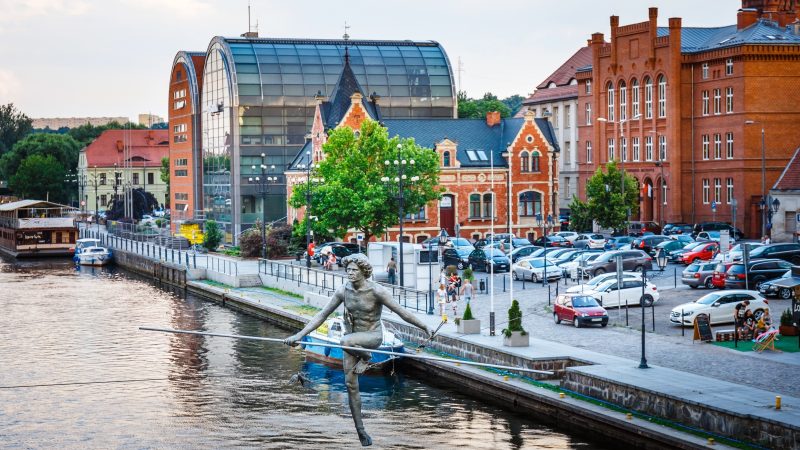
Polska, kraj o bogatej historii i unikalnej kulturze, kryje w sobie wiele małych miast, które z powodzeniem przyciągają turystów z całego świata. Czym przyciągają te maleńkie miejsca? Czy to ich historyczny urok, unikalna architektura, czy może lokalne legendy i kuchnia…

Rynek nieruchomości jest dynamiczny i podlega wielu czynnikom. Jednym z nich, często pomijanym w analizach, jest wpływ turystyki na ceny nieruchomości w miejscowościach atrakcyjnych turystycznie. Zastanówmy się, jak turystyka kształtuje rynek i co to oznacza dla potencjalnych inwestorów oraz mieszkańców…

W ostatnich latach na polskim rynku nieruchomości coraz częściej pojawia się pojęcie najmu instytucjonalnego. Czym dokładnie jest ten rodzaj najmu i dlaczego zyskuje na popularności? Czy to nowy trend, który zmieni oblicze rynku wynajmu w Polsce? W niniejszym artykule przyjrzymy…
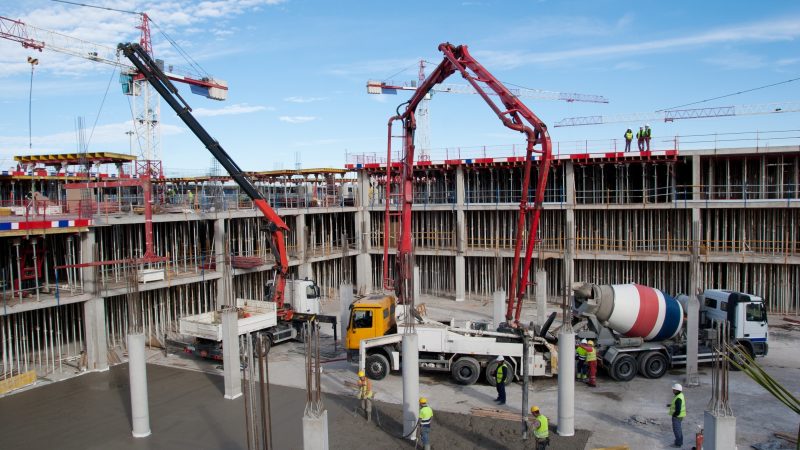
Promocje deweloperskie są często przedstawiane jako okazja do osiągnięcia korzystnych warunków zakupu nieruchomości. W obliczu rosnących cen mieszkań wiele osób zastanawia się, czy takie oferty rzeczywiście mogą być atrakcyjne finansowo. Z jednej strony promocje mogą oferować znaczące obniżki cen lub…

W obliczu dynamicznie rozwijającej się technologii inteligentne domy, znane również jako smart home, stają się coraz bardziej popularne. Systemy te, integrując zaawansowane rozwiązania techniczne, obiecują nie tylko zwiększenie komfortu życia, ale także podniesienie poziomu bezpieczeństwa. W jaki sposób mogą chronić…

Sprzedaż domu w trakcie budowy może wydawać się procesem skomplikowanym, ale jest całkowicie wykonalna. Kluczowe znaczenie ma tutaj prawidłowe przygotowanie dokumentacji i zrozumienie specyfiki takiej transakcji. Warto pamiętać, że każda sprzedaż nieruchomości, również tej nieukończonej, musi być przeprowadzona zgodnie z…

Rynek nieruchomości to dynamiczna arena, gdzie popyt jest kształtowany przez wiele czynników. Zrozumienie tych elementów jest kluczowe dla inwestorów, deweloperów, jak i przeciętnych kupujących. W naszym artykule przyjrzymy się najważniejszym aspektom, które mają wpływ na zainteresowanie nieruchomościami. Czy są to…

Podróżowanie to nie tylko zmiana otoczenia, ale przede wszystkim nieoceniona lekcja życia i okazja do osobistego rozwoju. Dlaczego tak wielu z nas decyduje się na opuszczenie swojej strefy komfortu i wyruszenie w nieznane? Odpowiedź na to pytanie jest równie różnorodna,…

Rynek nieruchomości jest tworem złożonym i dynamicznie rozwijającym się. Reaguje na różne czynniki, wśród których także pory roku odgrywają dużą rolę. Czy zastanawialiście się kiedyś, jak zmieniają się ceny nieruchomości w zależności od daty? Okazuje się, że każda pora roku…